Tawang, Bomdila and the Buddhist Highlands of Arunachal Pradesh
The road to Tawang does not hurry. It climbs through forests, crosses high passes and disappears periodically into mist, as though wishing to reconsider the entire enterprise.
This gradual approach is essential. Tawang should not be reached merely as a point on an itinerary. It should be unfolded through the journey itself: the shifting vegetation, the scattered settlements, the sound of waterfalls and the first glimpses of monasteries against the mountains.
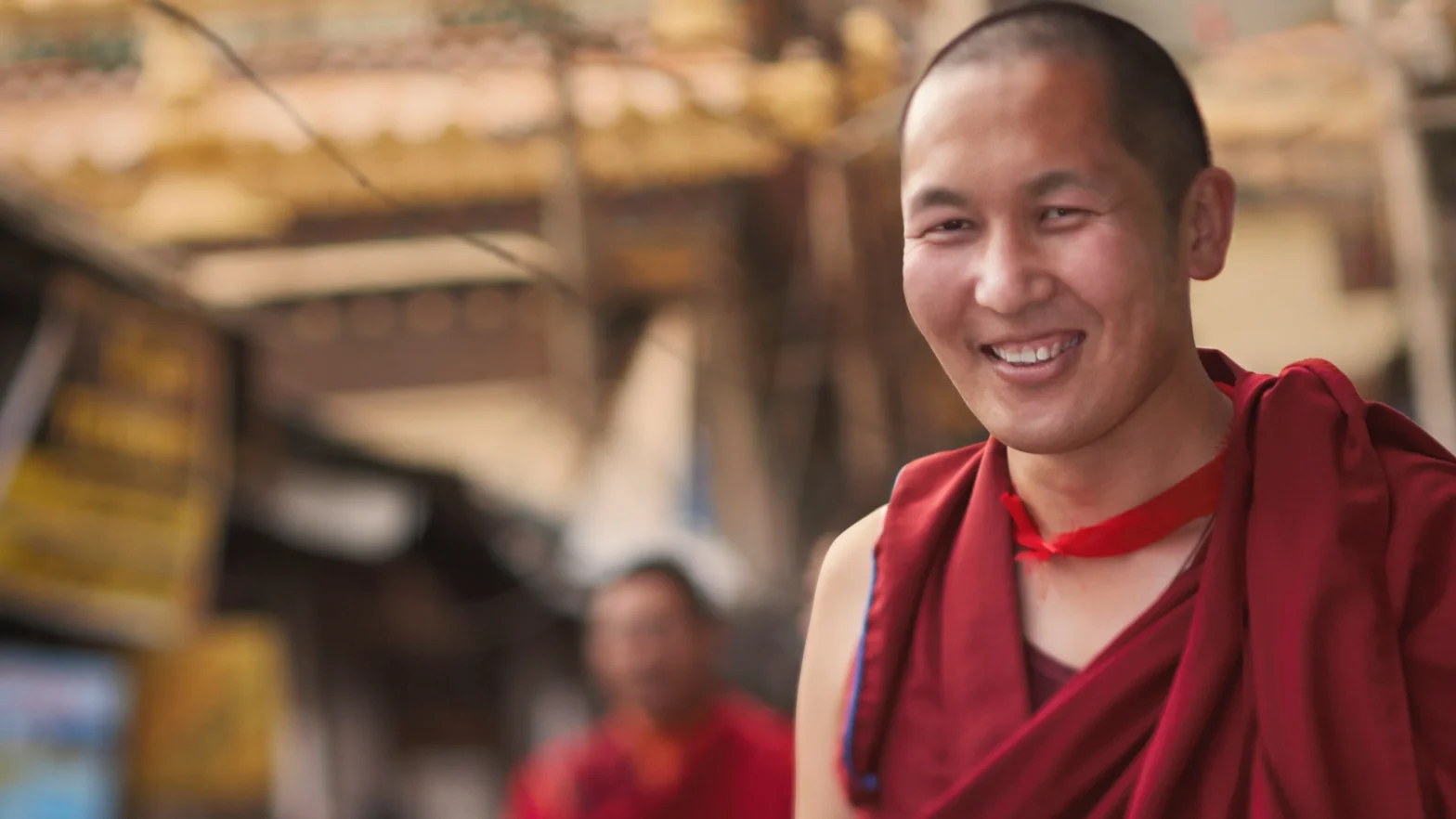
Tawang Monastery stands above the valley like a fortified citadel of contemplation. Founded in the seventeenth century, it remains an important centre of the Gelug school of Tibetan Buddhism. Its prayer halls, manuscripts, murals and monastic residences speak to centuries of religious exchange across Himalayan frontiers.
Yet the region is not simply an extension of Tibet. It is the homeland of the Monpa people, whose cultural traditions, architecture, festivals, food and relationship with the landscape possess their own distinctive character. This distinction matters. Sensitive travel begins by resisting the temptation to reduce every prayer flag to the same story.
Further along the route, Bomdila offers monasteries, craft traditions and expansive views over forested ranges. Smaller villages provide opportunities to understand domestic architecture, weaving, farming and the ways Buddhist practice is incorporated into daily life. A scholar-led journey might explore the historical movement of teachers, traders and texts through these mountain corridors. A naturalist could trace the dramatic ecological transitions created by altitude. A culinary enthusiast might conduct serious research into cheese, chillies and noodle soup, a field scandalously neglected by academia.
The eastern Himalaya rewards intellectual flexibility. Sacred and secular life frequently overlap. A monastery may be a place of worship, a school, an archive, a centre of artistic patronage and the social heart of a community.
To travel here is to recognise the Himalaya not as a barrier, but as a connective world. Ideas, languages, artistic traditions and people have moved through these valleys for centuries. The roads may test one’s patience, but they also correct one’s maps.