Travelling with Ideas
Why the finest journeys require more than a guidebook
Newsletter Blurb
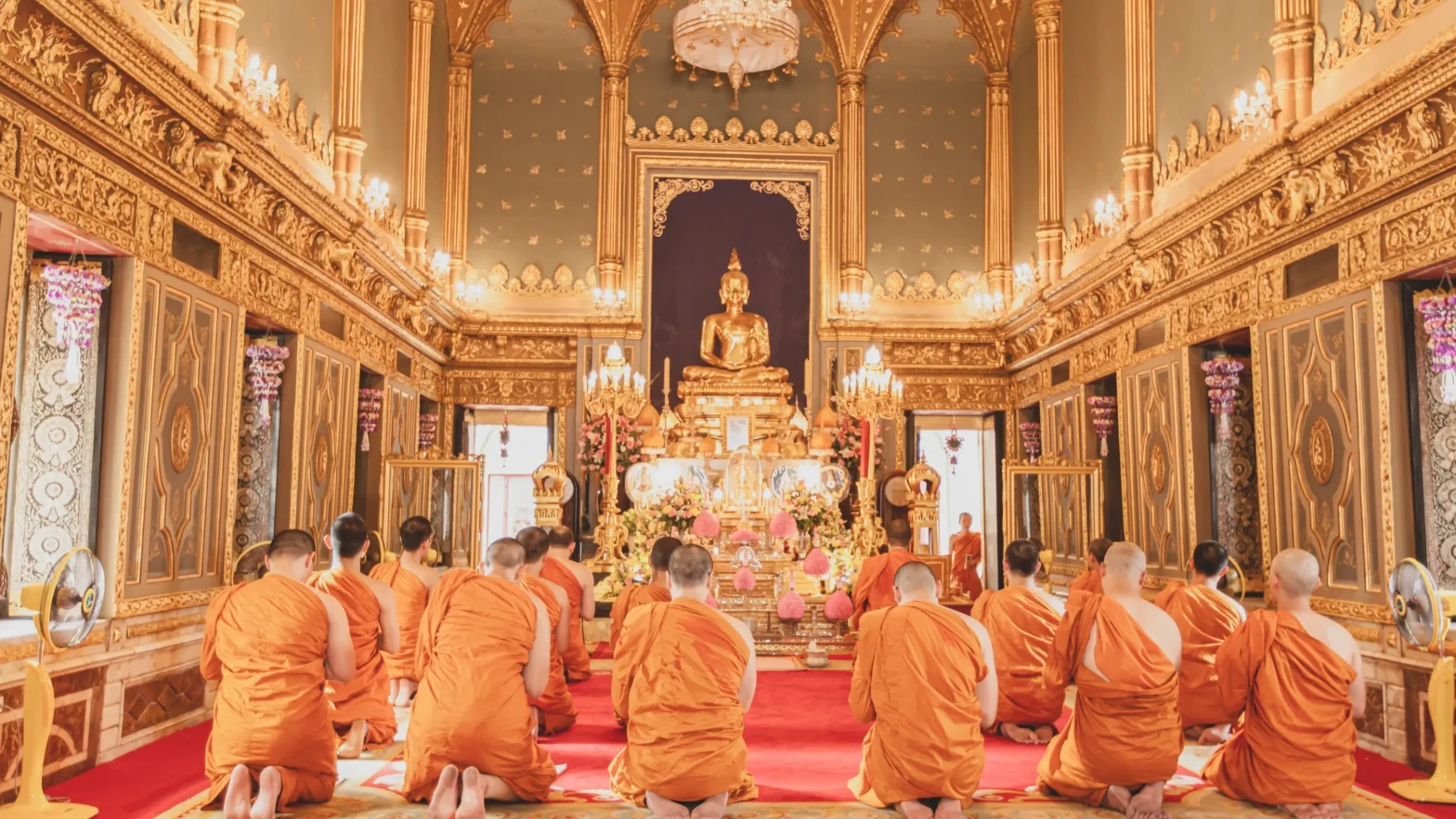
A monastery is never merely a building, nor a festival simply a spectacle. We consider how travelling with historians, Buddhist scholars, anthropologists and art specialists can reveal the systems of meaning hidden within a destination.
Feature Copy
The difference between seeing and understanding is often a well-informed companion.
Before a scholar explains it, a monastery wall may appear to be an exuberant assembly of deities, colours and intricate details. Afterwards, it becomes a carefully organised philosophical universe. A masked dance changes from picturesque movement into a meditation on impermanence. A bowl, manuscript, doorway or village field begins to disclose histories of migration, patronage, trade and belief.
Scholar-led travel need not resemble a seminar with inconvenient footwear. At its best, it brings rigorous knowledge into conversation with place. A historian might trace the movement of Buddhist ideas between India and Tibet. An art specialist can decode the visual grammar of a thangka. An anthropologist may illuminate how communities maintain identity while adapting to social and environmental change.
The traveller remains free to enjoy the landscape, the food and the occasional well-earned nap. The difference is that pleasure acquires context. One returns not merely with photographs, but with better questions.
Indie Trails can design theme-led journeys around Buddhist philosophy, Himalayan art, cultural memory, architecture, ecology or the history of Tibetan communities in India, accompanied by specialists selected for both scholarship and the invaluable ability to remain interesting after dinner.