Dharamshala and McLeod Ganj
Dharamshala is frequently introduced through geography. It lies beneath the Dhauladhar range, surrounded by cedar forests and mountain weather that can change its mind before breakfast. Yet its truest landscape may be intellectual rather than physical.
Since the arrival of the Tibetan community in exile, McLeod Ganj and the surrounding settlements have become important centres of Tibetan spiritual, political and cultural life. Monasteries sit beside cafés, schools, archives, craft workshops and institutes of medicine. Monks debate Buddhist philosophy in courtyards while travellers debate whether they require a second plate of momos. Both discussions can become unexpectedly animated.
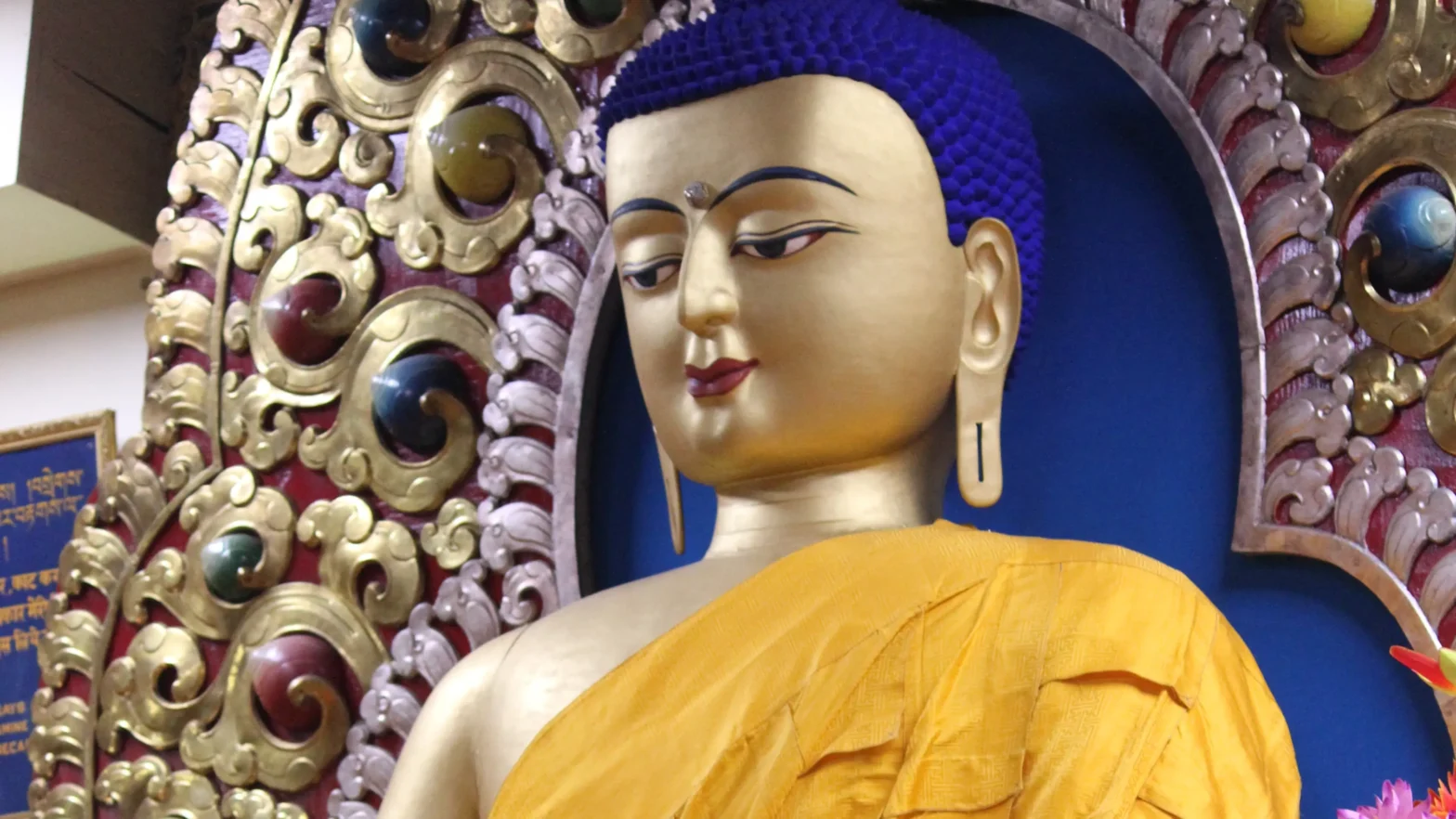
The Tsuglagkhang complex forms the spiritual heart of the town. Nearby, institutions such as the Library of Tibetan Works and Archives preserve manuscripts, historical documents and philosophical traditions that might otherwise have been dispersed or lost. Dharamshala is therefore more than a place of refuge. It is a place of reconstruction, where language, art, scholarship and religious practice are carried forward through teaching.
A thoughtful journey here should proceed slowly. Attend a monastic debate and observe how argument becomes a physical art, punctuated by emphatic handclaps. Meet a thangka painter and learn why proportions, colours and gestures are governed by precise iconographic traditions. Explore Tibetan medicine, in which the body is understood through an intricate relationship between diet, behaviour, season and mind.
There is pleasure too, and plenty of it. Cafés produce excellent bread, steaming bowls of noodle soup and conversations that stretch beyond their scheduled duration. Mountain walks lead towards Bhagsu, Dharamkot and the cedar-covered slopes beyond. Prayer flags introduce small flashes of colour into mist-filled afternoons.
Dharamshala is sometimes described as “Little Lhasa”, but the phrase feels insufficient. The town is not a replica of somewhere left behind. It is a living cultural capital formed through memory, resilience and continuous adaptation. It asks the visitor to consider a profound question: when a people must leave a homeland, how do they carry home with them?